01
Water circulation
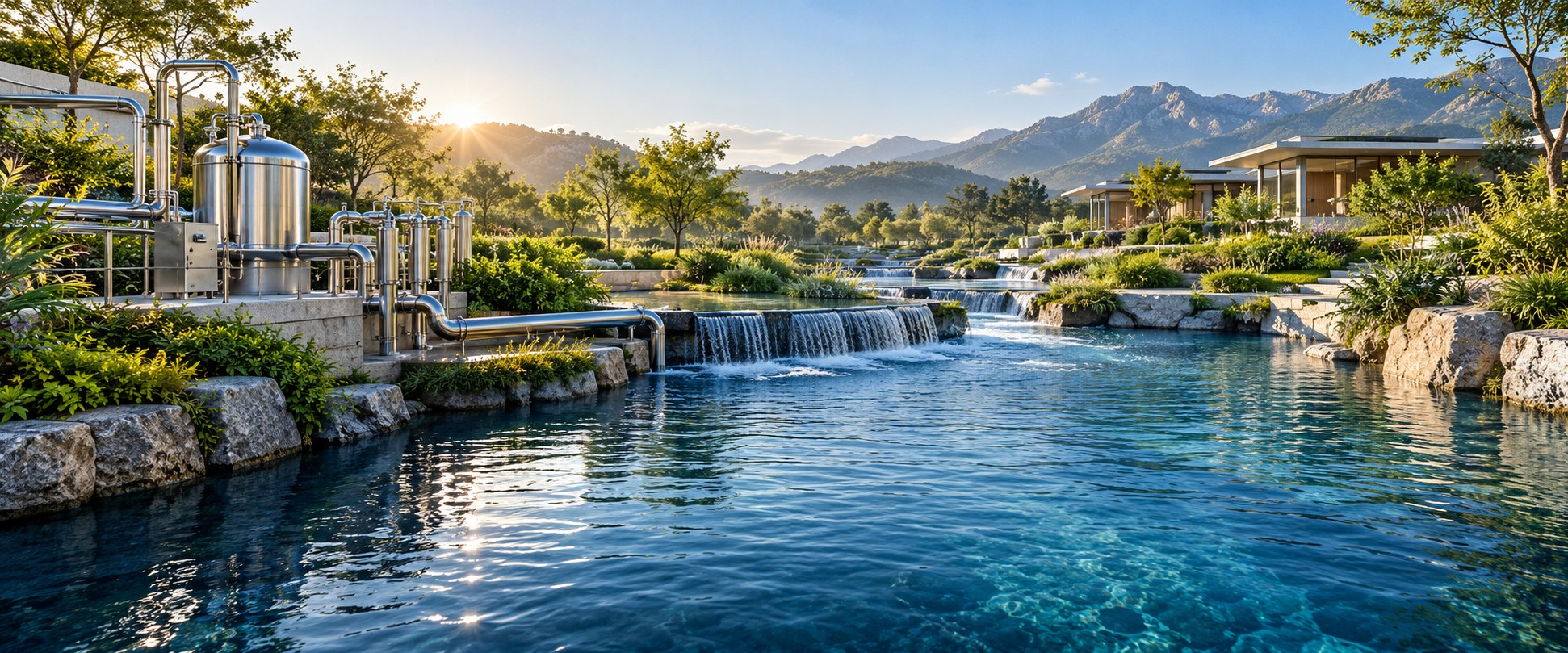
Water moves through a purpose-designed treatment loop.
Discover nanobubble oxygenation and ozonation technologies designed for selected water-treatment applications across agriculture, aquaculture, poultry production and industrial environments.
Explore application-specific solutions focused on gas transfer, water-quality management and measurable treatment outcomes.
Nanobubbles are extremely small gas bubbles, typically smaller than one micrometre (1 µm). Their high gas–water interfacial area can influence gas transfer and interactions within water.
Depending on the gas, equipment configuration and operating conditions, nanobubble systems can be designed for different water-treatment objectives.
Water moves through a purpose-designed treatment loop.
Oxygen or ozone is supplied according to the intended application.
Specialised equipment disperses the gas into very small bubbles.
Relevant water-quality measurements help evaluate treatment performance.
Our water-treatment approach combines oxidation and ozonation to support targeted water-treatment objectives. Oxidation describes processes that involve chemical reactions with oxidising agents, while ozonation uses ozone as an oxidant to react with certain compounds and help inactivate microorganisms under appropriately controlled conditions.
By considering both processes together, treatment can be assessed according to the application, water chemistry, system design and required treatment outcomes.
Nanobubble oxygenation introduces oxygen into water to help maintain dissolved oxygen levels and support oxygen-dependent biological processes.
Ozonation uses ozone as a strong oxidant to help inactivate microorganisms and react with certain compounds under appropriately controlled conditions.
Ozone safety: Ozone requires appropriate dose control, ventilation, contact-time management and residual management. System design and operation must account for people, animals and the specific site.
Explore where oxygenation or ozonation may be assessed. Every application requires its own technical review.
 01 / 06
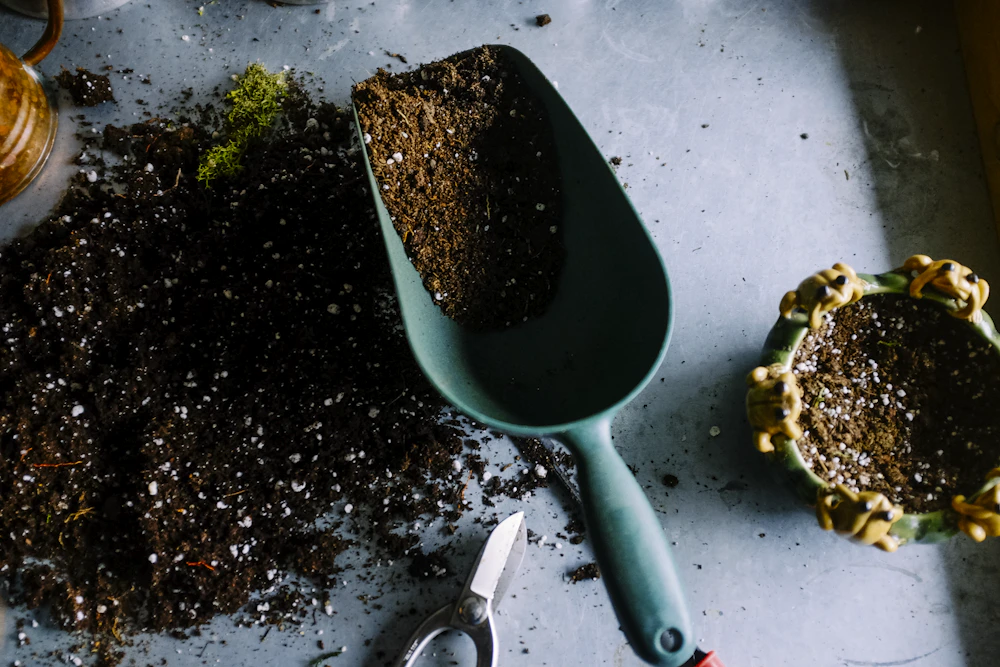
Nanobubble oxygenation can be evaluated in hydroponics, vertical farming, greenhouses and other irrigation environments where oxygen availability in the root zone is important.
 02 / 06
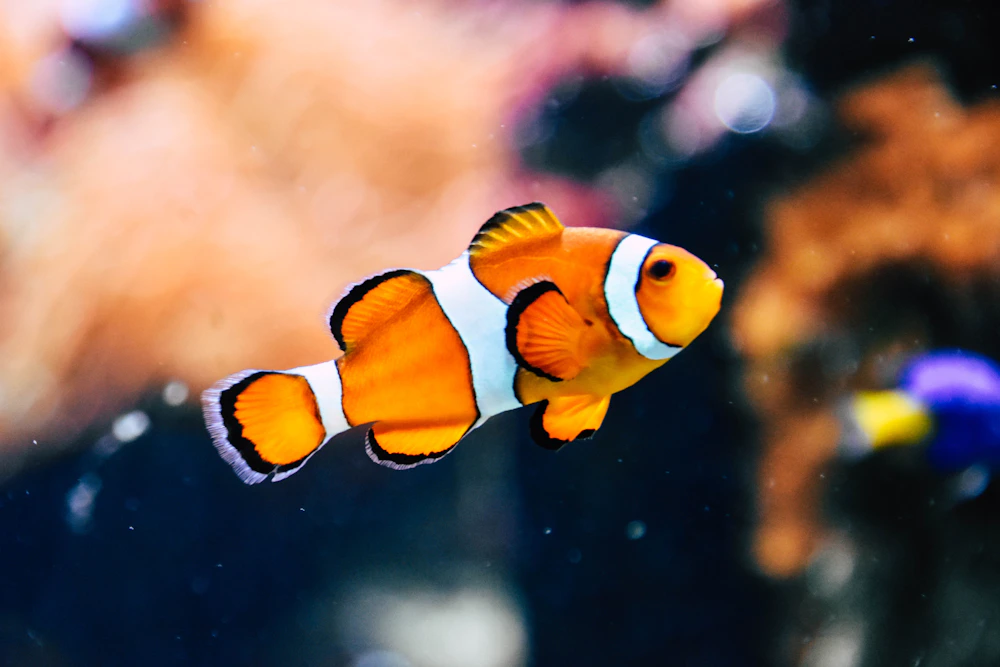
Nanobubble oxygenation can be assessed for fish farms, shrimp ponds, hatcheries and recirculating aquaculture systems where dissolved oxygen management is important.
Oxygenation does not automatically remove ammonia, nitrite, suspended solids or pathogens.
Inquire 03 / 06
Controlled ozonation may be suitable for selected water-sanitation applications, equipment cleaning and processing operations, subject to proper validation and safety requirements.
Ozone treatment must follow validated procedures and does not replace routine water testing, ventilation, hygiene or biosecurity.
Inquire 04 / 06
Nanobubble technology can be evaluated for selected industrial water-treatment and gas-transfer applications according to the treatment objective, water chemistry, flow rate and equipment configuration.
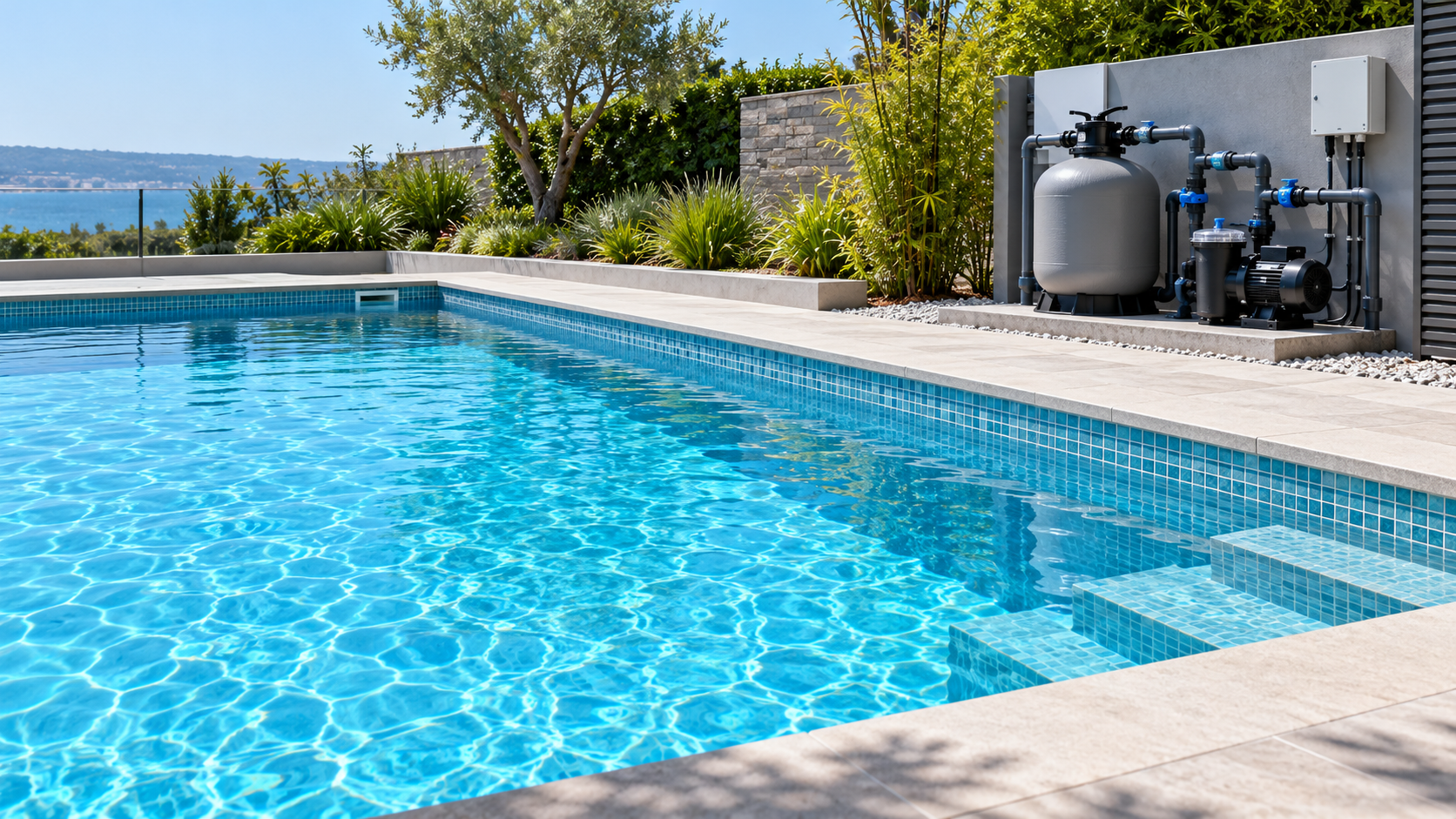 05 / 06
A non-chlorine treatment solution intended for swimming pools and other defined, limited-volume water systems, where treatment can be managed within a contained area and monitored for the system’s needs.
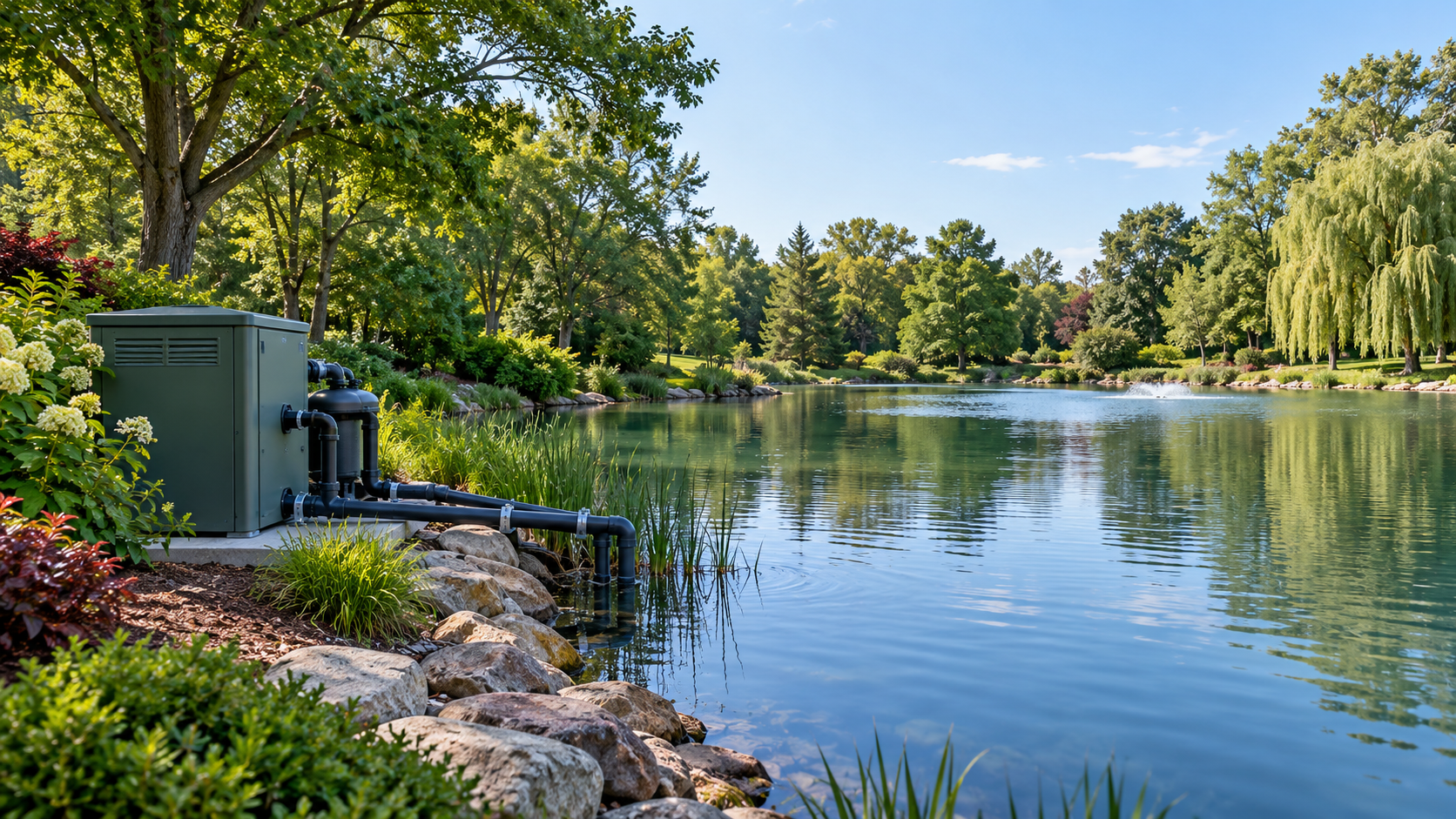 06 / 06
A non-chlorine water-treatment solution intended for larger water environments, including ponds, lakes and other suitable water bodies. Assessment considers size, water quality, circulation, objectives and environmental requirements.
Potential benefits depend on the intended treatment objective and should be evaluated for each operating system.
Introduces gases into water for specific treatment objectives.
Can be evaluated across agricultural, aquaculture and selected water-treatment environments.
Supports targeted treatment processes when paired with appropriate monitoring.
Can be assessed alongside compatible circulation, filtration and water-treatment equipment.
Outcomes can be evaluated through relevant water-quality and operational measurements.
The appropriate solution depends on operating conditions, goals and technical requirements.
A general solution-selection approach for understanding the application and its requirements.
Identify the application and treatment objectives.
Evaluate water quality, flow requirements and operating conditions.
Determine a suitable solution using verified equipment specifications.
Evaluate performance using appropriate measurements.
Learn more about nanobubble applications, treatment choices and system evaluation.
Nanobubbles are extremely small gas bubbles, typically smaller than one micrometre, that can influence gas transfer and interactions within water.
Oxygenation introduces oxygen into water, while ozonation uses ozone as an oxidant for specific treatment purposes under controlled conditions.
It can be evaluated in hydroponics, greenhouses and selected irrigation applications. Results depend on crop type, water quality, growing conditions and system design.
Oxygenation systems can be assessed for fish and shrimp farming where dissolved oxygen management is important. They do not automatically eliminate ammonia, nitrite or pathogens.
Ozone may be suitable for selected water-treatment and sanitation processes when the system is properly designed, validated and operated with appropriate residual management.
No. Performance depends on the system, treatment objective and operating conditions. Results should be evaluated through appropriate measurements.
The appropriate configuration depends on your application, water quality, flow requirements, existing infrastructure and treatment objectives.
Every water-treatment requirement is different. Discuss your application, operating conditions and treatment objectives with our team to explore a suitable nanobubble solution.